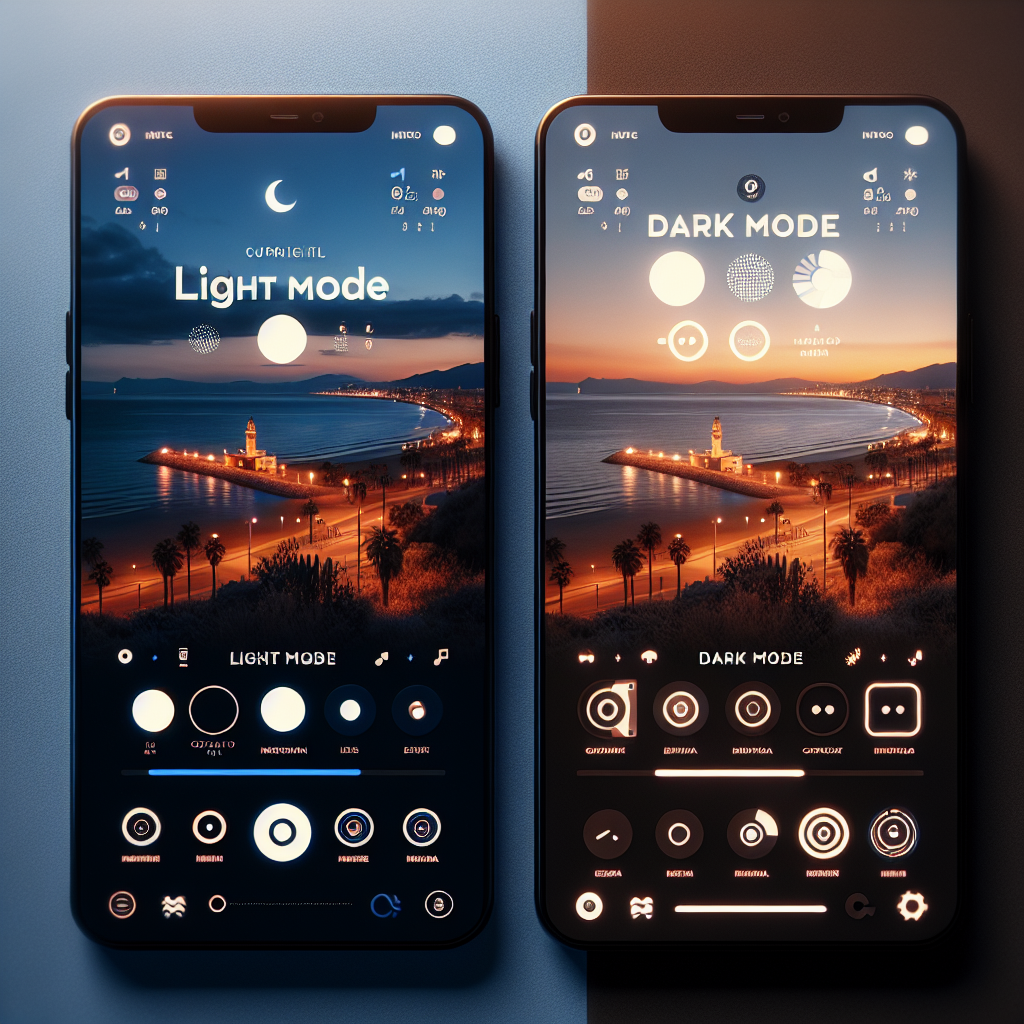
The Growing Importance of Dark Mode in UI/UX Design
July 24, 2025
In recent years, dark mode has evolved from a niche preference to a mainstream feature that users actively seek across digital platforms. What began as a simple aesthetic choice has transformed into a fundamental aspect of modern user experience design tips, offering tangible benefits that extend far beyond visual appeal. For businesses in Malaga and throughout Spain, understanding and implementing dark mode represents a strategic opportunity to enhance customer satisfaction while staying ahead of current UI/UX trends Spain.
Understanding the Science Behind Dark Mode Benefits
The popularity of dark mode isn’t just about following trends—it’s rooted in genuine user needs and technological advantages. When users interact with dark interfaces, their eyes experience significantly less strain, particularly during extended viewing sessions or in low-light environments. This reduction in eye fatigue occurs because dark backgrounds emit less blue light, which can disrupt sleep patterns and cause digital eye strain.
Research indicates that prolonged exposure to bright screens can lead to symptoms including dry eyes, blurred vision, and headaches. By implementing dark mode features, businesses can demonstrate their commitment to user wellbeing while creating more comfortable digital experiences. This consideration becomes particularly relevant for mobile optimization Spain initiatives, where users frequently access content during evening hours or in dimly lit spaces.
Battery Life Enhancement Through Smart Design
One of the most compelling dark mode benefits lies in its impact on device battery performance, especially for smartphones and tablets with OLED or AMOLED displays. These screen technologies work by illuminating individual pixels, meaning that darker pixels consume significantly less power than bright ones. When users engage with dark mode interfaces, their devices can experience battery life improvements of up to 30% in some cases.
For businesses focusing on mobile optimization Spain, this advantage translates into longer user engagement sessions and reduced friction in the customer journey. Users are more likely to continue browsing, shopping, or interacting with applications when they’re not concerned about rapidly draining their device batteries. This technical benefit creates a competitive advantage for companies that prioritize user-centric design approaches.
Implementation Strategies for Websites and Applications
Successfully implementing dark mode requires more than simply inverting color schemes. Effective user experience design tips emphasize the importance of maintaining proper contrast ratios, ensuring text remains readable, and preserving brand identity elements even in darker themes. The key lies in creating a cohesive visual hierarchy that works seamlessly across both light and dark modes.
When developing dark mode features, consider these essential elements:
- Color Palette Selection
- Choose deep grays rather than pure black backgrounds to reduce harsh contrasts and maintain visual comfort
- Contrast Optimization
- Ensure text and interactive elements maintain sufficient contrast ratios for accessibility compliance
- Brand Consistency
- Adapt brand colors thoughtfully to work effectively in both light and dark environments
- User Control
- Provide easy toggle options and respect system-level preferences for automatic switching
Technical Considerations for Developers
From a development perspective, implementing dark mode requires careful planning and systematic approach. CSS custom properties (variables) provide an efficient method for managing color schemes, allowing developers to define both light and dark themes while maintaining clean, maintainable code. Modern frameworks and libraries increasingly offer built-in support for theme switching, making implementation more streamlined than ever before.
Testing across different devices and screen types becomes crucial, as dark mode appearance can vary significantly between LCD, OLED, and other display technologies. Developers should also consider how images, icons, and other visual elements adapt to dark backgrounds, potentially requiring alternative versions or dynamic adjustments.
Opportunities for Dark Mode Malaga Businesses
Local businesses in Malaga can leverage dark mode implementation as a differentiating factor in competitive markets. Restaurants can create elegant evening-appropriate interfaces for their delivery apps, while retail stores can reduce visual fatigue for customers browsing extensive product catalogs. Tourism-related businesses might find dark mode particularly valuable for users planning activities during evening hours or while traveling.
The hospitality sector in Malaga can benefit significantly from dark mode features, especially considering the city’s vibrant nightlife and evening entertainment options. Hotel booking platforms, restaurant reservation systems, and event discovery applications all present opportunities to enhance user experience through thoughtful dark mode implementation.
Measuring Success and User Adoption
Successful dark mode implementation requires ongoing measurement and optimization. Analytics can reveal user preferences, adoption rates, and engagement patterns that inform future design decisions. Businesses should track metrics such as session duration, bounce rates, and user feedback to understand how dark mode affects overall user experience.
A/B testing different dark mode variations can provide valuable insights into user preferences and optimal design approaches. This data-driven approach ensures that dark mode features genuinely improve user experience rather than simply following design trends without purpose.
Future Considerations and Emerging Trends
As UI/UX trends Spain continue evolving, dark mode will likely become even more sophisticated, with features like automatic brightness adjustment, time-based switching, and personalized color temperature controls. Businesses that establish strong dark mode foundations now will be better positioned to adapt to these advancing capabilities.
The integration of dark mode with accessibility features, voice interfaces, and emerging technologies presents exciting opportunities for innovation. Companies that view dark mode as part of a broader user experience strategy rather than an isolated feature will create more compelling and inclusive digital experiences.
Dark mode represents more than a visual preference—it’s a practical tool for creating better user experiences that prioritize comfort, efficiency, and satisfaction. For businesses in Malaga and beyond, implementing thoughtful dark mode features demonstrates commitment to user-centered design while providing tangible benefits that customers genuinely appreciate. The time to embrace this essential UI/UX element is now. Ready to transform your digital presence with professional dark mode implementation? Contact our expert design team today to discuss how we can enhance your user experience and set your business apart in the competitive digital landscape.