Why Mobile-First Design Matters in 2024
May 27, 2025
Understanding Mobile-First Design
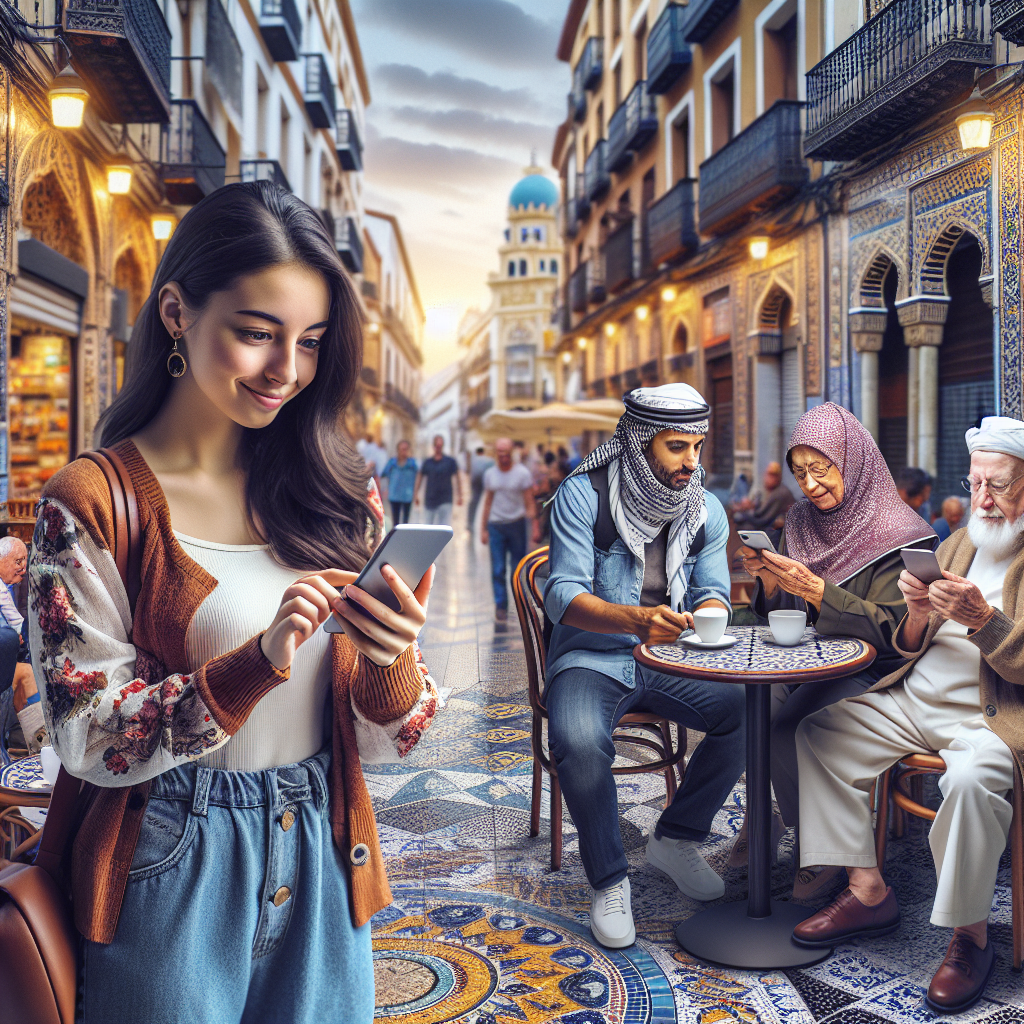
Mobile-first design refers to the practice of creating websites primarily for mobile devices before expanding to desktop versions. This approach has gained traction as mobile browsing becomes increasingly predominant, especially in tourist hotspots like Malaga. With more individuals relying on smartphones for everyday tasks, including travel planning and navigation, a mobile-first strategy is not just beneficial but essential for businesses aiming to capture on-the-go audiences.
Why Mobile-First Matters in 2024
In 2024, the importance of mobile-first design is underscored by the sheer volume of mobile users. In Spain, and particularly in popular tourist destinations like Malaga, the mobile user demographic includes not just locals but also a variety of international visitors. Responsive websites are crucial in ensuring that the information tourists seek—such as local attractions, restaurant menus, and public transport schedules—is accessible and easy to navigate.
Capturing the On-the-Go Audience
For tourists exploring Malaga, a quick and user-friendly mobile experience can significantly impact their visits. Travelers often make snap decisions based on the information they find online while they’re on the move. With a mobile-first design, businesses can effectively engage this audience by providing easily digestible content that enhances the customer journey.
Key Mobile Optimization Tips for Local Businesses
- Optimize for Smaller Screens
- Ensure Fast Load Times
- Design with Touch-Friendly Navigation
- Incorporate Local SEO Strategies
Designing your website for smaller screens means prioritizing essential content and making it easily accessible. Use responsive layouts that adapt to different screen sizes, ensuring that buttons and links are large enough for touch navigation. A website that reads well on a mobile device won’t frustrate users, thereby enhancing the likelihood of repeat visits.
Mobile users can be especially impatient. A slow-loading site can lead to high bounce rates. Optimize images and use a content delivery network (CDN) to ensure that your website loads quickly, allowing potential customers to access content immediately, which is essential for capturing their attention.
Touch navigation differs from using a mouse. Ensure that menus are easy to navigate with fingers, avoiding dropdowns that can be cumbersome on mobile devices. Implement large buttons and sufficient spacing between links to reduce errors when selecting options.
Optimize your website for local searches by including location-based keywords. For example, if you own a restaurant in Malaga, using phrases like “best tapas in Malaga” will ensure that visitors find you when searching for nearby dining options.
Examples of Success in Malaga
Several businesses in Malaga have effectively incorporated mobile-first design strategies into their operations. For instance, a local restaurant, El Tintero, has optimized its website to facilitate quick reservations and menu browsing from mobile devices. Their streamlined interface allows users to view daily specials and make bookings with just a few taps, minimizing friction for users who are looking for a dining option while sightseeing.
Similarly, Malaga’s tourist information sites have embraced mobile optimization by providing access to maps, guidance on public transport, and itineraries designed for mobile users. These local tourism websites are pivotal in helping visitors navigate the city with ease, fostering a more connected experience that encourages exploration.
Conclusion: Taking Action Now
In the fast-paced world of travel and tourism, businesses in Malaga can no longer afford to overlook the significance of mobile-first design. By implementing key mobile optimization tips—such as adapting for smaller screens, ensuring quick load times, and designing for touch-friendly interaction—local businesses can significantly enhance their visitor engagement. If you’re ready to implement a mobile-first strategy that resonates with today’s tourists, consider reaching out to a web design expert. The world of mobile-first design awaits!