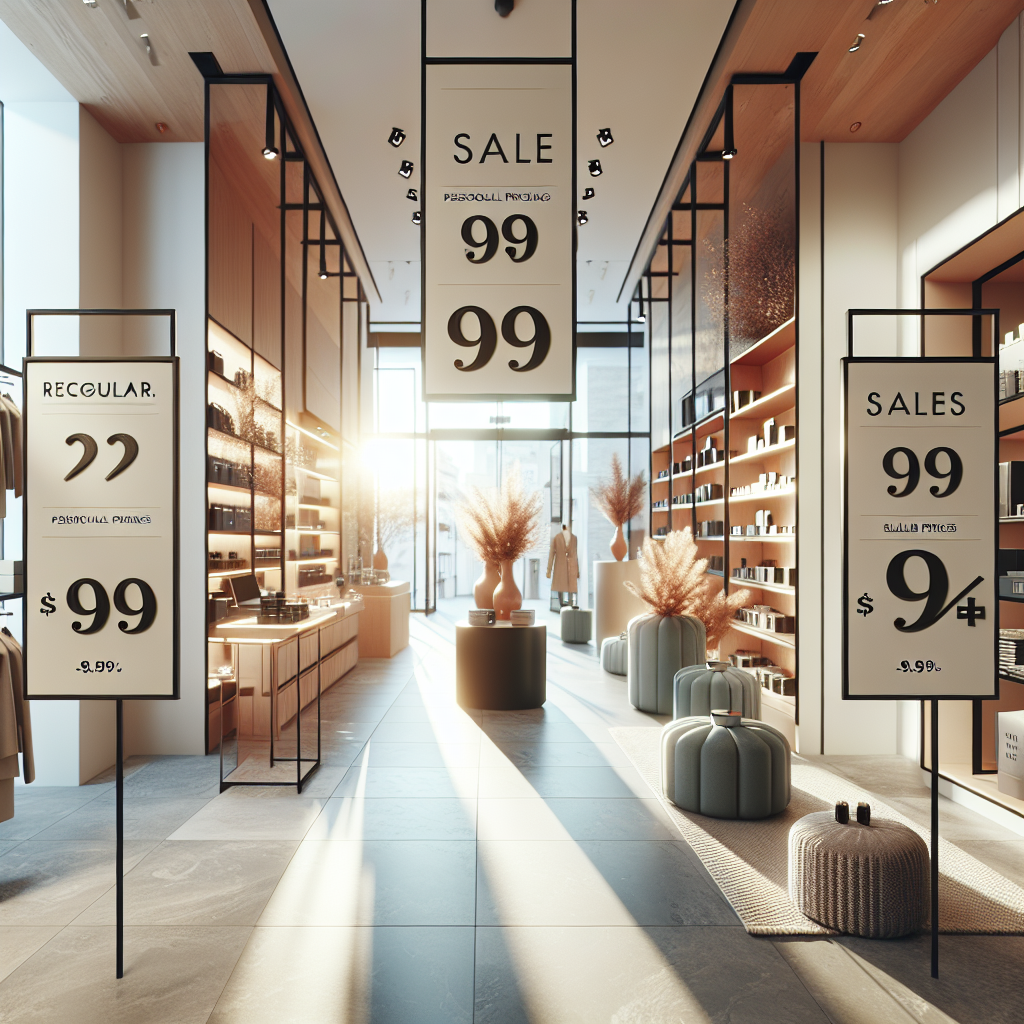
The Psychology of Pricing Strategies
January 1, 2026
Understanding the Power of Pricing Psychology
Every day, businesses in Malaga face a critical challenge: how to price their products and services in ways that attract customers while maintaining profitability. The answer lies not just in covering costs and adding margins, but in understanding the fascinating world of pricing psychology Malaga entrepreneurs are increasingly leveraging to drive sales. The human brain processes prices in surprisingly predictable ways, and savvy business owners who understand these patterns can significantly boost their bottom line.
Pricing strategies Spain businesses employ today go far beyond simple cost-plus calculations. They tap into deep-rooted cognitive biases and emotional triggers that influence purchasing decisions. Whether you run a boutique hotel on the Costa del Sol, a tapas restaurant in the historic center, or an online retail business, understanding behavioral economics can transform your revenue streams while keeping customers happy and loyal.
Charm Pricing: The Magic of Nine
Walk through any shopping district in Malaga, and you’ll notice something curious: prices ending in .99 or .95 are everywhere. This isn’t coincidence—it’s charm pricing, one of the most powerful tools in pricing psychology Malaga retailers use daily. Research consistently shows that prices ending in nine create the perception of a bargain, even when the actual difference is just one cent.
The psychological mechanism behind charm pricing is called “left-digit bias.” Our brains process numbers from left to right, giving disproportionate weight to the first digit we see. A product priced at €19.99 is mentally categorized closer to €19 than €20, even though logically we know the difference is minimal. For Malaga businesses, implementing charm pricing can increase sales by 20-30% without actually reducing profit margins significantly.
However, charm pricing isn’t universally appropriate. Luxury brands and premium services often benefit from round numbers that convey quality and sophistication. A high-end restaurant in Marbella might price a tasting menu at €150 rather than €149.99, signaling exclusivity rather than value.
Anchoring: Setting the Reference Point
Anchoring is a cognitive bias where people rely heavily on the first piece of information they receive when making decisions. In pricing strategies Spain businesses implement, anchoring manifests in several powerful ways. When customers see a “regular price” crossed out next to a “sale price,” that original number becomes an anchor that makes the discount feel more substantial.
Smart Malaga retailers use anchoring by displaying premium options first. A wine shop might showcase a €200 bottle prominently, making the €50 bottles seem remarkably reasonable by comparison. Restaurants employ this tactic by placing an expensive signature dish at the top of the menu, influencing customers to spend more on other items that now appear moderately priced.
The decoy effect, a sophisticated anchoring strategy, involves introducing a third option specifically designed to make another option more attractive. Imagine a Malaga tour company offering three packages: a basic tour for €30, a premium tour for €80, and a standard tour for €50. The premium option serves as both an anchor and a decoy, making the €50 option seem like the smart middle choice, even though customers might have balked at that price without the €80 reference point.
Scarcity and Urgency Tactics
Humans are wired to value things more when they’re scarce. This principle of behavioral economics drives some of the most effective sales optimization techniques available to Malaga businesses. Limited-time offers, countdown timers, and “only 3 left in stock” messages trigger fear of missing out (FOMO), compelling customers to act quickly rather than deliberate.
Scarcity works because it transforms a purchase decision from “should I buy this?” to “can I get this before it’s gone?” A boutique hotel in Malaga might display “Only 2 rooms left at this price” to encourage immediate bookings. Online retailers show real-time inventory updates, creating urgency without being overtly pushy.
However, authenticity matters enormously. Artificial scarcity that customers perceive as manipulative can damage trust and brand reputation. The key is using genuine scarcity—actual limited editions, seasonal products, or time-bound promotions—to create urgency while maintaining customer satisfaction and loyalty.
The Power of Price Presentation
How you display prices matters as much as the numbers themselves. Research in pricing psychology Malaga businesses can apply shows that removing currency symbols can reduce the psychological pain of spending. A menu listing “15” rather than “€15” makes customers less conscious of parting with money, potentially increasing order values by 10-15%.
Price positioning also influences perception. Placing prices at the end of product descriptions, rather than prominently at the beginning, encourages customers to focus on value and benefits first. High-end restaurants often bury prices in menu descriptions, allowing the culinary experience to take center stage.
Comparative pricing displays help customers make decisions by providing context. Showing monthly subscription costs as daily amounts (“less than €2 per day”) makes prices feel more manageable. Breaking down annual services into monthly payments reduces sticker shock and improves conversion rates.
Bundle Pricing and Perceived Value
Bundling products or services creates perceived value that exceeds the sum of individual components. A Malaga spa might offer a massage, facial, and manicure package for €120, when purchasing separately would cost €150. Customers feel they’re getting a deal, while the business moves multiple services in a single transaction.
The psychology behind effective bundling involves creating packages that feel complete and complementary. Mixed bundling—offering items both individually and in packages—gives customers choice while steering them toward higher-value purchases. This approach respects customer autonomy while optimizing sales outcomes.
Implementing Ethical Pricing Psychology
While pricing strategies Spain entrepreneurs employ can be incredibly effective, maintaining ethical standards ensures long-term success. Transparent pricing builds trust, even when using psychological techniques. Customers appreciate businesses that deliver genuine value rather than those that manipulate through deceptive practices.
The goal of applying behavioral economics to your pricing isn’t to trick customers—it’s to present your offerings in ways that align with how people naturally think and make decisions. When done right, both business and customer benefit: you increase revenue and sales optimization, while customers feel satisfied with their purchases and the value they’ve received.
For Malaga businesses ready to transform their pricing approach, the opportunity is significant. Understanding pricing psychology Malaga entrepreneurs can harness means moving beyond gut feelings and competitor-watching to strategic, evidence-based pricing that drives results. Whether you’re just starting out or looking to revitalize an established business, these psychological principles offer a roadmap to sustainable growth and customer satisfaction. Ready to optimize your pricing strategy? Let’s discuss how these techniques can specifically benefit your business—schedule a consultation call today and discover your revenue potential.