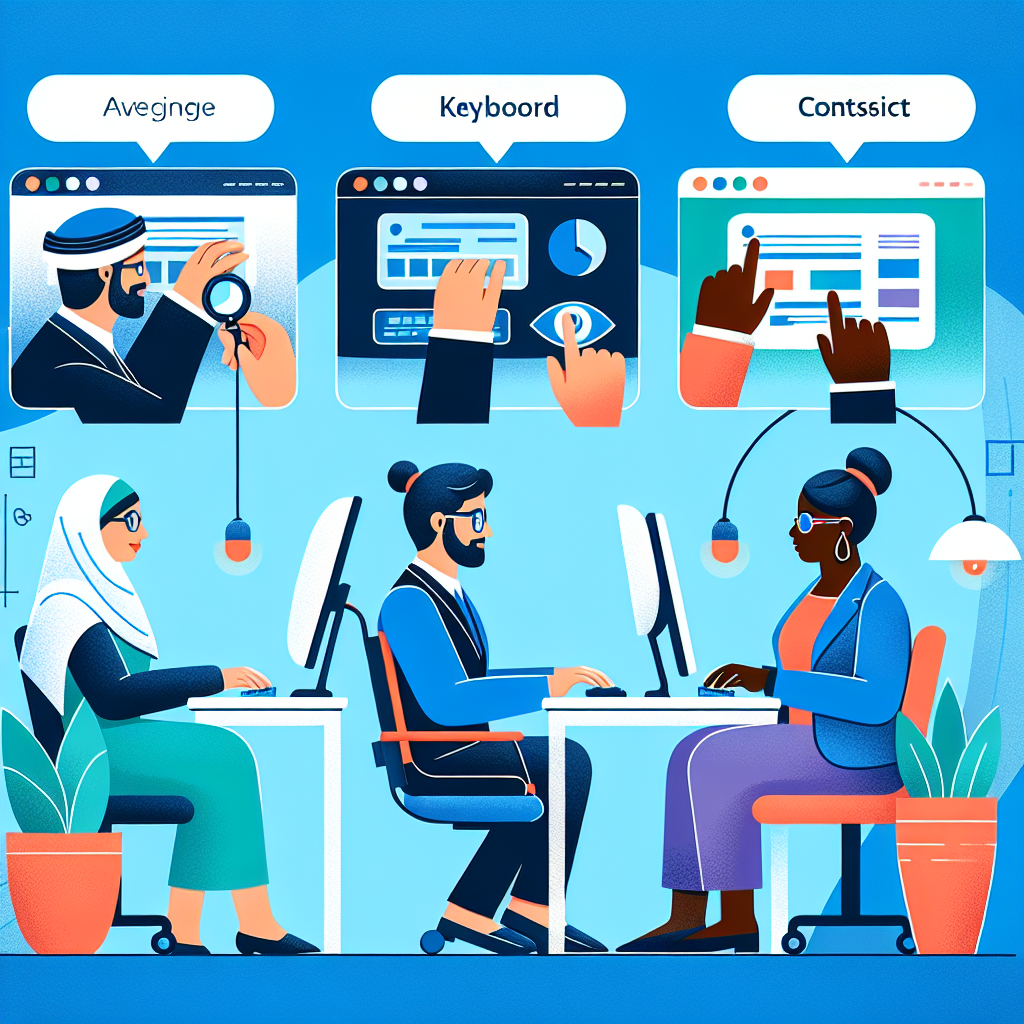
Web Design Accessibility: Beyond Compliance
September 18, 2025
In today’s digital landscape, creating accessible websites isn’t just about meeting legal requirements—it’s about fostering an inclusive online environment where everyone can participate fully. When businesses in Spain embrace web accessibility Malaga principles, they’re not only complying with regulations but also opening their digital doors to millions of users who might otherwise be excluded from their online experiences.
The concept of inclusive design Spain has evolved significantly over the past decade. What once seemed like an optional consideration has become a fundamental aspect of modern web development. Accessibility benefits extend far beyond users with disabilities, creating better experiences for everyone while simultaneously boosting search engine optimization efforts.
Understanding the True Scope of Web Accessibility
Web accessibility encompasses a broad spectrum of considerations that affect how users interact with digital content. While WCAG compliance provides essential guidelines, truly accessible design goes deeper than checkbox requirements. It involves understanding diverse user needs, from temporary limitations like a broken arm to permanent conditions such as visual impairments or cognitive differences.
Consider the elderly user struggling with small text, the parent trying to navigate a website while holding a baby, or the professional working in a noisy environment who relies on captions. These scenarios illustrate how accessibility features benefit a much wider audience than initially anticipated. When designers implement proper contrast ratios, they’re helping users with low vision while also improving readability for everyone using devices in bright sunlight.
Implementing Essential Accessibility Features
Creating an accessible website design requires attention to several key areas. Color contrast represents one of the most fundamental aspects, yet it’s frequently overlooked. The WCAG guidelines specify minimum contrast ratios of 4.5:1 for normal text and 3:1 for large text. However, exceeding these minimums often results in better user experiences across all demographics.
Keyboard navigation stands as another critical component. Many users rely exclusively on keyboards or similar input devices to browse websites. This means every interactive element—from navigation menus to form fields—must be accessible through keyboard commands. Implementing proper tab order, visible focus indicators, and skip links transforms the browsing experience for keyboard users while also improving the overall site structure.
Screen reader compatibility involves more than adding alt text to images, though that remains crucial. Semantic HTML structure, descriptive headings, and properly labeled form elements create a logical information hierarchy that assistive technologies can interpret effectively. When screen readers encounter well-structured content, they can provide users with meaningful navigation options and context.
The Business Case for Accessibility
Beyond moral imperatives, accessibility makes solid business sense. The global disability market represents over one billion people with significant purchasing power. In Spain alone, approximately 4.3 million people have some form of disability, representing a substantial market segment that businesses cannot afford to ignore.
Search engines increasingly favor accessible websites because accessibility features align with SEO best practices. Alt text helps search engines understand image content, semantic heading structures improve content organization, and faster loading times—often a byproduct of accessible design—contribute to better search rankings. When businesses prioritize web accessibility Malaga initiatives, they frequently discover improved search visibility as an additional benefit.
Practical Implementation Strategies
Successful accessibility implementation requires a systematic approach. Begin with an accessibility audit to identify current barriers and prioritize improvements. Many organizations start with quick wins like improving color contrast and adding alt text before tackling more complex features like keyboard navigation and screen reader optimization.
Form design deserves special attention in any accessibility strategy. Clear labels, error messages, and instructions prevent user frustration while reducing support requests. When forms are accessible, they become more usable for everyone, leading to higher conversion rates and better user satisfaction.
Testing with real users, including people with disabilities, provides invaluable insights that automated tools cannot capture. While automated accessibility testing catches many issues, human testing reveals nuanced problems and validates that theoretical compliance translates into practical usability.
Advanced Accessibility Considerations
Modern inclusive design Spain practices extend beyond basic compliance to address emerging technologies and user needs. Voice interfaces, gesture controls, and artificial intelligence present new opportunities and challenges for accessibility. Designing for these technologies requires considering how they interact with existing assistive technologies.
Progressive enhancement ensures that websites remain functional across diverse browsing conditions and assistive technologies. This approach builds core functionality first, then adds enhanced features for users whose browsers and devices support them. The result is a more resilient, accessible experience that adapts to various user needs and technical constraints.
Measuring Success and Continuous Improvement
Accessibility isn’t a one-time achievement but an ongoing commitment. Regular audits, user feedback, and performance monitoring help maintain and improve accessibility standards over time. Key performance indicators might include task completion rates among users with disabilities, reduced support requests related to navigation issues, and improved search engine rankings.
WCAG compliance provides a foundation, but truly successful accessible design responds to real user needs and evolving technologies. Organizations that embrace accessibility as a core value rather than a compliance requirement often discover innovations that benefit all users while strengthening their brand reputation.
The Future of Accessible Design
As technology continues evolving, accessibility considerations must evolve alongside. Emerging trends like artificial intelligence, voice interfaces, and augmented reality present both opportunities and challenges for inclusive design. Forward-thinking organizations are already considering how these technologies can be made accessible from the ground up rather than retrofitted later.
The intersection of accessibility and emerging technologies offers exciting possibilities for creating more intuitive, inclusive user experiences. When designers consider accessibility throughout the development process, they often discover innovative solutions that improve usability for everyone.
Web accessibility represents more than legal compliance—it’s an investment in human dignity, business growth, and technological innovation. By embracing accessible website design principles, organizations create digital spaces where everyone can participate fully, regardless of their abilities or circumstances. The time to act is now: evaluate your current digital accessibility, identify improvement opportunities, and take the first steps toward creating truly inclusive online experiences. Contact accessibility experts today to begin your journey toward more inclusive, successful digital presence.