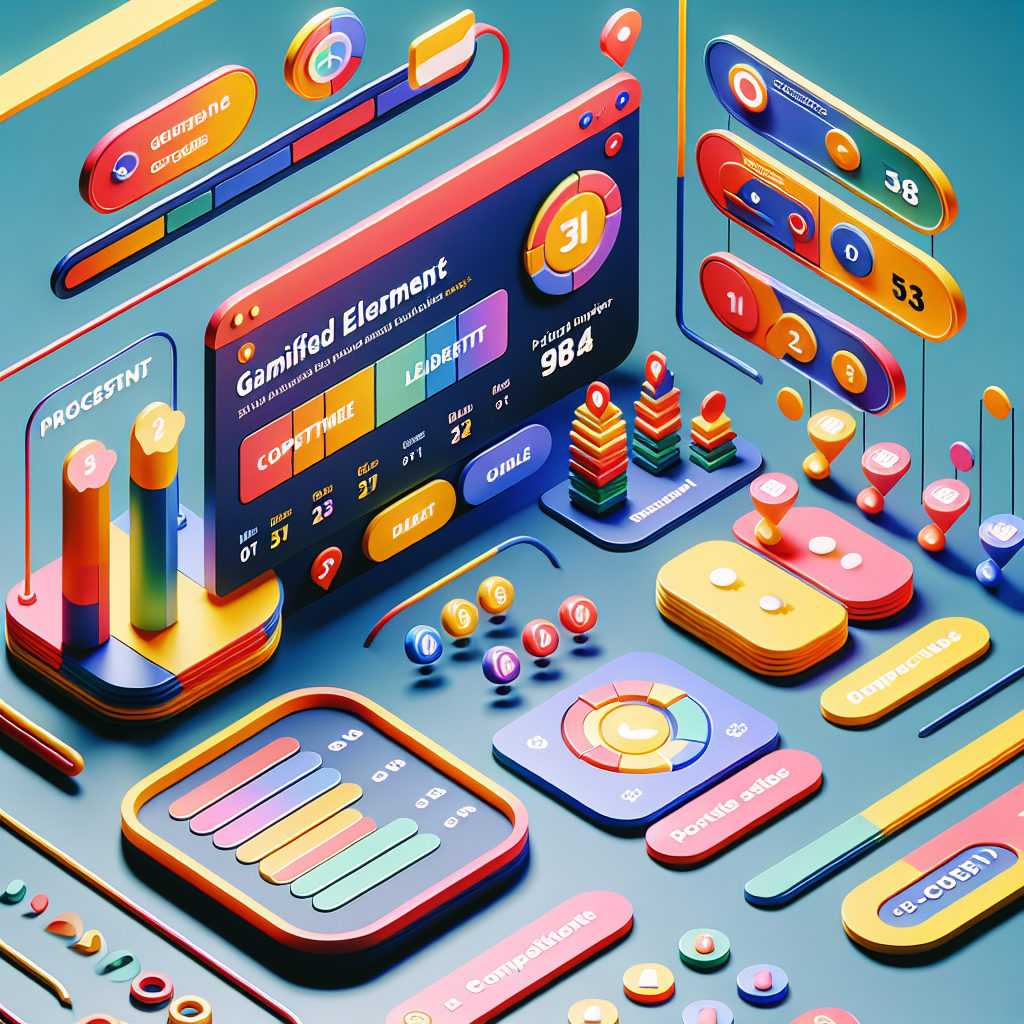
The Role of Gamification in Modern Web Design
June 10, 2025
Understanding Gamification in Web Design
Gamification involves integrating game-like elements into non-game contexts, particularly in web design. The primary goal is to enhance user engagement by tapping into the intrinsic motivations that drive people to play games. In a world where users’ attention spans are dwindling, especially in markets like Malaga, businesses are seeking innovative ways to keep users on their sites longer while increasing interaction and engagement.
In this article, we will delve into how Malaga businesses can implement gamified features such as leaderboards, quizzes, and progress bars, the psychology that underpins these elements, and offer practical tips to create effective gamification strategies that align with a brand’s goals.
The Psychology Behind Gamification
Understanding user experience psychology is pivotal when designing gamified websites. Elements like competition, achievement, and social connection can significantly influence users’ behavior. When users have goals, rewards, and the ability to progress, they feel a sense of accomplishment, which keeps them returning for more. Moreover, leaderboards introduce a competitive aspect, motivating users to improve their rankings, creating a cycle of engagement that is beneficial for businesses.
Effective Gamified Elements for Web Design
To leverage the benefits of gamification, Malaga businesses should consider incorporating the following elements into their web design:
- Leaderboards
- Quizzes and Challenges
- Progress Bars
Leaderboards showcase users’ rankings based on their scores or achievements, fostering a competitive spirit. This not only encourages users to engage more but also promotes community interaction, as users want to see how they stack up against others.
Interactive quizzes and challenges can significantly boost user engagement. They encourage users to interact with the content while learning more about particular topics or your brand. For example, a local business in Malaga might use quizzes to educate customers about their products or services.
Progress bars provide users with visual feedback on how much more they have to achieve to complete a task. This can be particularly motivating as it helps users to track their accomplishments and increases the likelihood of them completing the desired action, whether it’s signing up for a newsletter or making a purchase.
Examples of Gamified Websites
Several prominent sites effectively use gamification elements:
- Duolingo
- Fitbit
- Khan Academy
This language-learning platform is renowned for its gamified approach, employing points, rewards, and a vibrant visual representation of progress, making learning enjoyable and engaging.
By incorporating challenges, public rankings, and badges, Fitbit motivates users to take steps toward better health, making fitness a fun and competitive experience.
This educational platform uses badges and points to reward learners for their achievements, encouraging continued engagement with its educational resources.
Tips for Implementing Gamification
When creating gamified components on your website, keep these tips in mind to ensure alignment with your brand’s goals:
- Define Clear Objectives
- Keep It Simple
- Ensure Brand Alignment
Understand what you want to achieve with gamification. Whether it is increasing engagement, nurturing community, or boosting sales, defining objectives will guide the implementation process.
Avoid overwhelming users with complex tasks. Simplicity creates a more engaging experience that encourages beginners to participate without feeling lost.
All gamified elements should reflect your brand’s identity. This includes the design, language, and types of rewards provided, ensuring a cohesive user experience.
Conclusion
Gamification has the potential to transform the online experience for users while achieving business objectives. For Malaga businesses looking to innovate and enhance their web design, incorporating gamified elements can greatly improve user engagement and satisfaction. By understanding the psychology behind why these features work and how they can align with brand goals, businesses can not only attract more visitors but also retain them. Start exploring gamification elements today and transform your web design into a highly interactive, engaging platform.